
Optimal Timing for Land Clearing
Land clearing involves removing trees, brush, and other obstacles to prepare a site for development or agriculture. The timing of land clearing projects can significantly impact efficiency, cost, and site quality. Proper scheduling ensures minimal disruption and maximizes the effectiveness of the work.
Spring offers favorable conditions with moderate temperatures and increased daylight, facilitating efficient land clearing activities before the onset of summer.
Summer can be suitable in cooler regions or early in the season, but high temperatures and dry conditions may pose challenges and increase fire risk.
Fall provides cooler weather and moisture in many regions, making it a good time for land clearing before winter sets in.
Winter is generally less ideal due to frozen ground and weather constraints, but in milder climates, it can be used for certain projects.
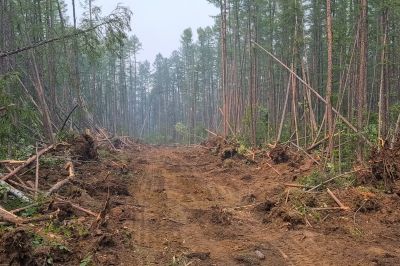
Removing brush and trees in spring prepares land for planting or construction.
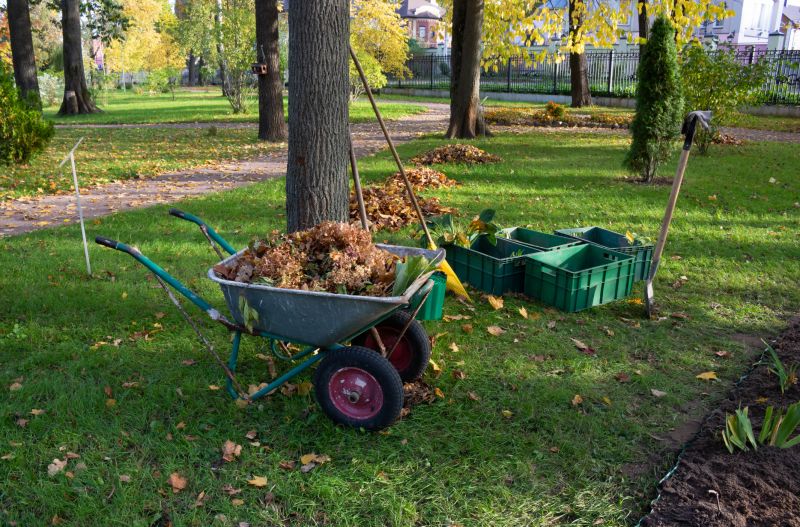
Managing overgrowth during summer months can prevent fire hazards.
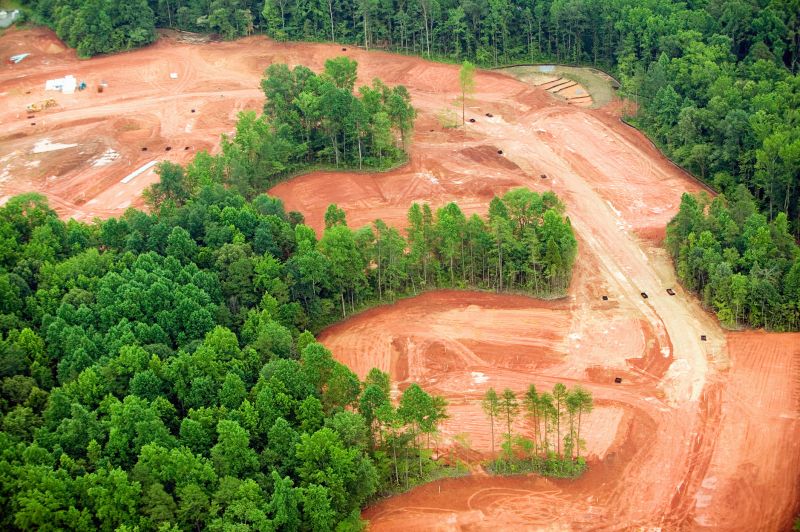
Preparing land for winter or next season's use.

Ways to make Land Clearings work in tight or awkward layouts.
Popular materials for Land Clearings and why they hold up over time.

Simple add-ons that improve Land Clearings without blowing the budget.
| Season | Ideal Conditions |
|---|---|
| Spring | Moderate temperatures, increased daylight, dry soil |
| Summer | Cooler early summer, avoid peak heat and drought |
| Fall | Cooler weather, moisture, before winter |
| Winter | Limited, suitable in mild climates with thawed ground |
Timing land clearing projects appropriately can influence project success and cost-efficiency. Spring and fall are generally most suitable for land clearing due to favorable weather conditions. Summer may be used in cooler regions or early in the season, while winter is less ideal in most areas but feasible in milder climates. Planning around weather patterns and soil conditions helps prevent delays and reduces the risk of soil erosion or machinery issues.
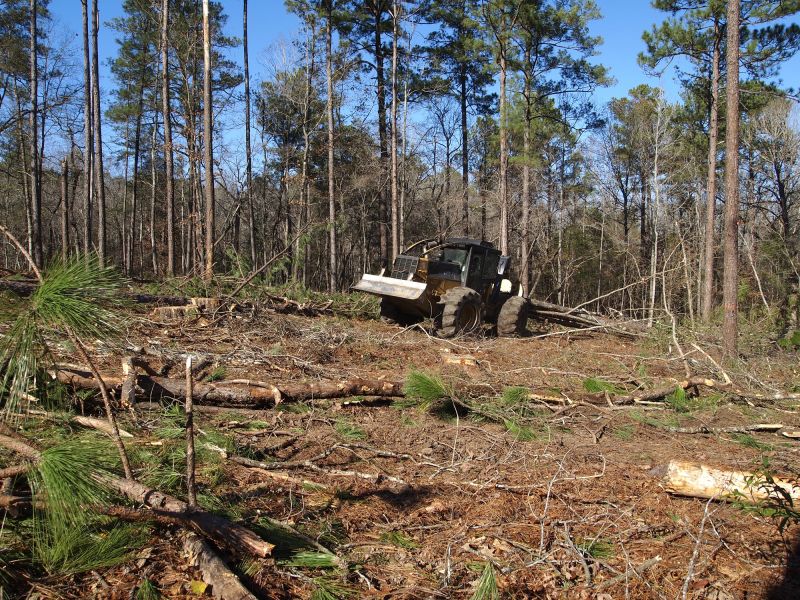
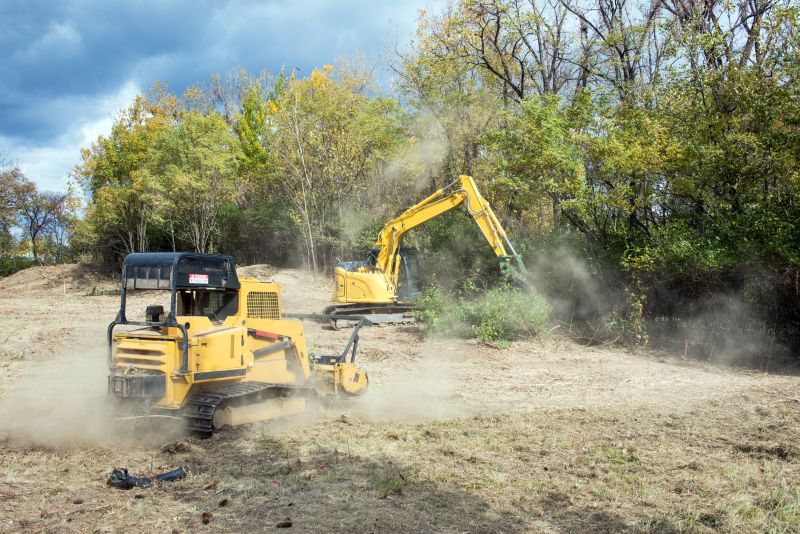
Heavy machinery efficiently removes trees and brush.
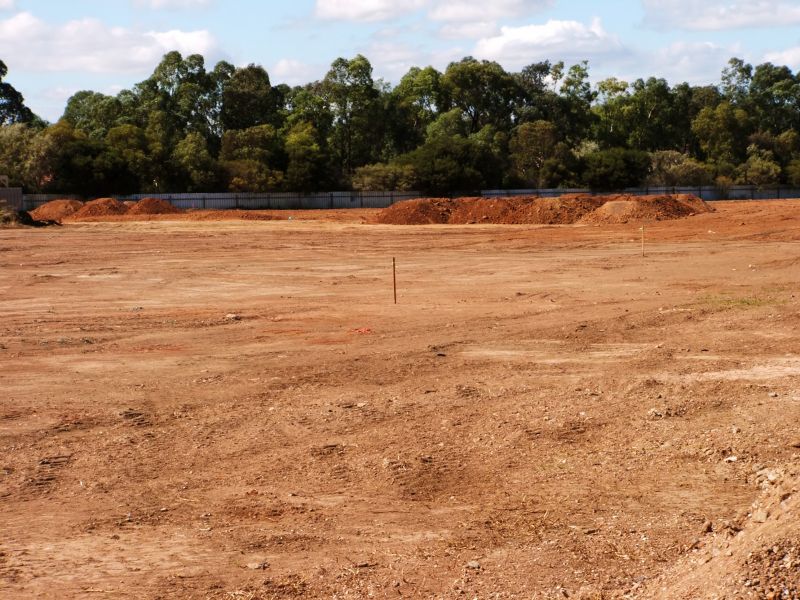
Prepared sites for construction or agriculture.

Effective removal of overgrowth during optimal seasons.

High-end options that actually feel worth it for Land Clearings.

Finishes and colors that play nicely with Land Clearings.
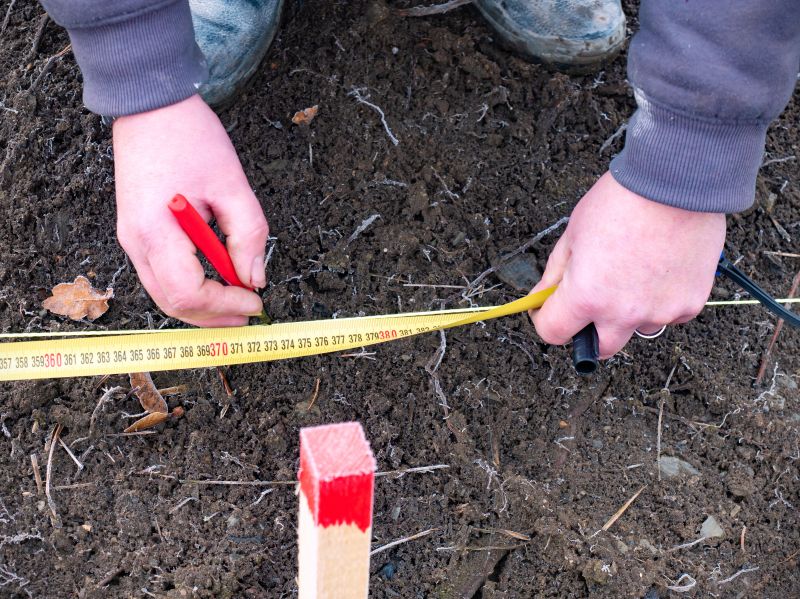
Little measurements that prevent headaches on Land Clearings day.

A 60-second routine that keeps Land Clearings looking new.
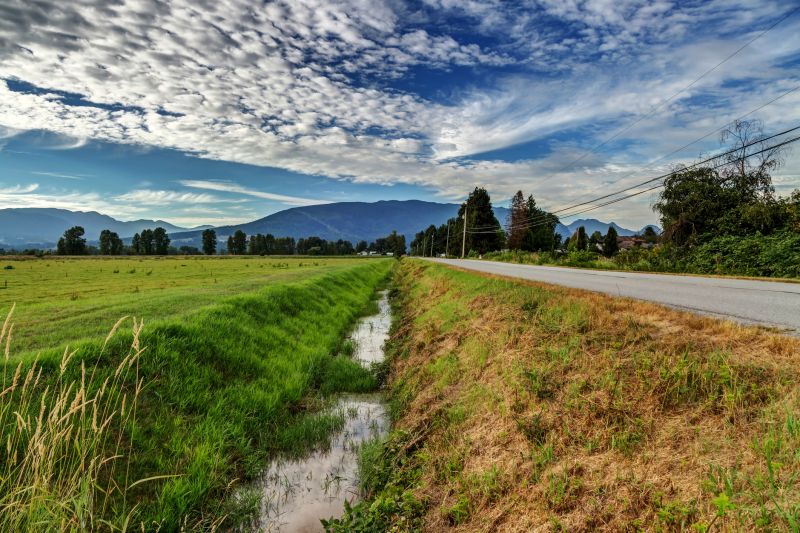
A frequent mistake in Land Clearings and how to dodge it.

Small tweaks to make Land Clearings safer and easier to use.
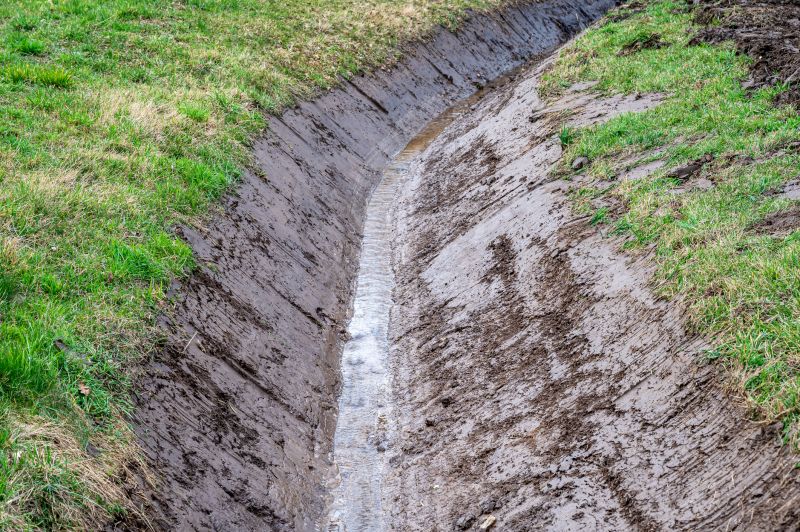
Lower-waste or water-saving choices for Land Clearings.
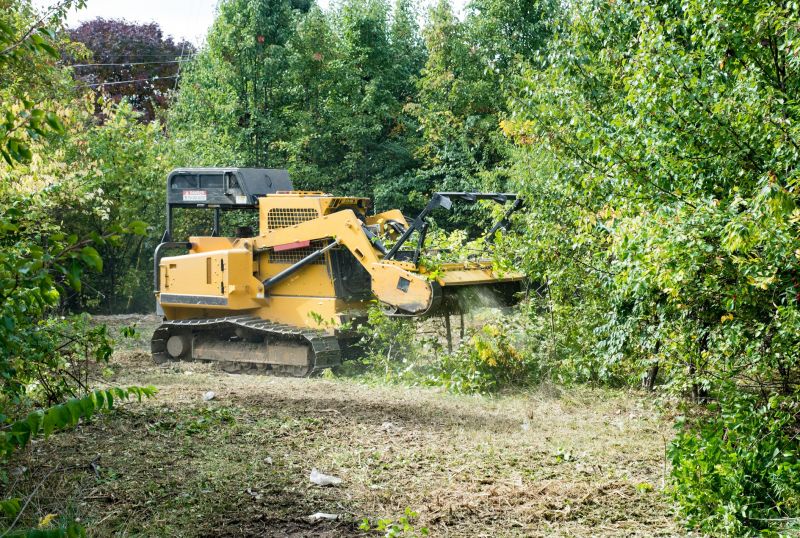
The short, realistic tool list for quality Land Clearings.
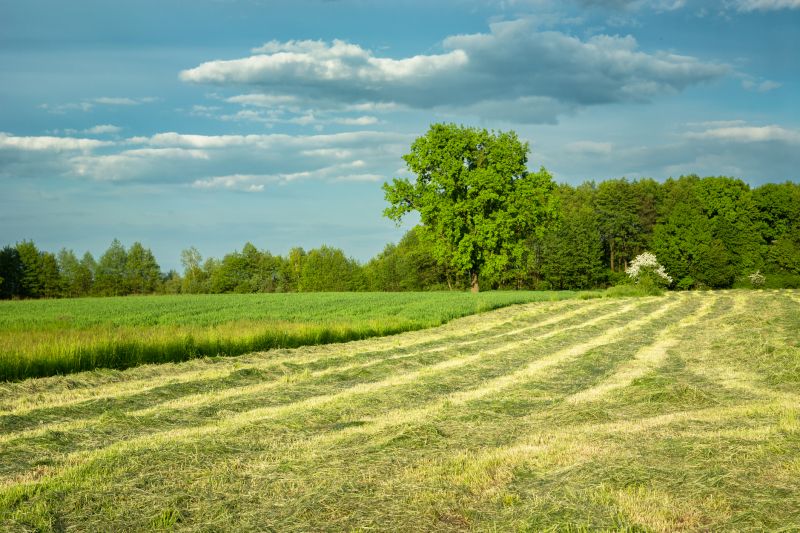
Rough timing from prep to clean-up for Land Clearings.
Understanding the seasonal factors affecting land clearing can help in scheduling projects for maximum efficiency. Weather patterns, soil moisture levels, and vegetation growth cycles all play a role in determining the best time to undertake land clearing activities. Proper planning can reduce costs, minimize environmental impact, and ensure the project proceeds smoothly.
Interested in scheduling land clearing? Fill out the contact form for more information.